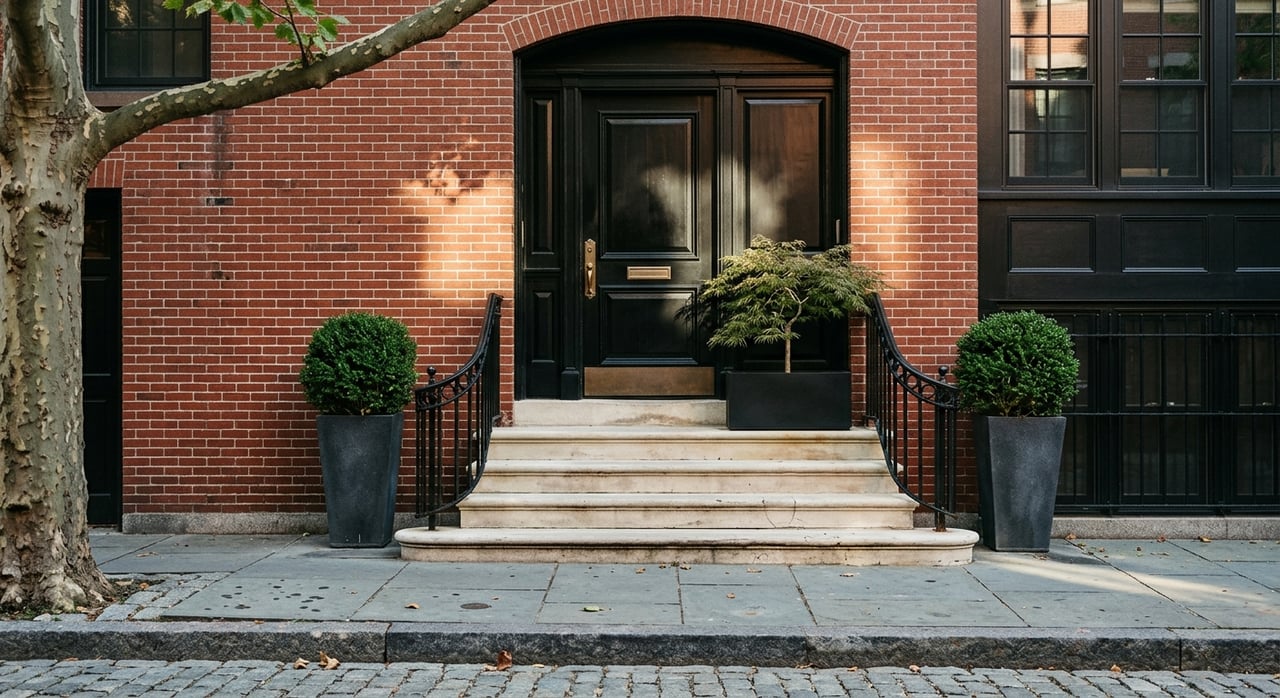
If you have ever wondered whether a Manhattan neighborhood can still feel intimate, the West Village is one of the strongest cases for it. You get a rare mix of historic streets, low-rise buildings, waterfront access, and everyday convenience that feels different from much of the city. For buyers, renters, and relocators, that combination can be compelling, but it also comes with real tradeoffs around space, supply, and cost. Here is what it is actually like to live in the West Village, and why so many people see it as both a lifestyle choice and a long-term real estate play.
West Village Feel and Character
The West Village stands out for its preserved, small-scale streetscape. The Greenwich Village Historic District, designated in 1969, is the largest historic district in New York City and includes more than 2,000 buildings across 65 blocks. That preservation helps explain why the neighborhood feels visually cohesive and why many blocks still read as classic downtown Manhattan.
You notice the difference as soon as you walk through the area. Community Board 2 describes the far West Village as a cobblestone-street, small-scale historic brownstone area, and that captures the mood well. Instead of long corridors of glass towers, you are more likely to see row houses, walk-ups, and mixed-use buildings with storefronts at street level.
That physical scale shapes how the neighborhood feels day to day. The area is served by the NYPD's 6th Precinct, which identifies Christopher Street, Washington Square Park, and Broadway as key destinations in the broader area. In practical terms, the neighborhood often feels more residential and pedestrian-scaled than many other parts of Manhattan.
West Village Homes and Building Types
If you picture townhouses, prewar walk-ups, and converted buildings, you are picturing the right backdrop. Preservation reports describe early-19th-century row houses and a west-side waterfront area that reflects a rare surviving mixed-use development pattern. That history still shows up in the housing stock you see today.
The broader Community District 2 context helps explain the market environment. According to the Manhattan Borough President's housing report, 38% of lots in the district are mixed-use and 19% of buildings are multifamily walk-ups. The district had 58,418 housing units in 2022, which reinforces how dense and established this part of downtown is.
For you as a buyer or renter, this usually means character over sheer size. Many homes offer architectural detail and location value, but not always the larger layouts or amenity packages you might find in newer tower developments. If your priority is charm, walkability, and scarcity, the West Village can make a strong case.
What Daily Life Looks Like
Daily life in the West Village revolves around short walks and local routines. The Village Alliance describes the area as having clean, safe, vibrant commercial corridors with a healthy mix of restaurants, retail, and services. It also highlights the presence of unique businesses and one-of-a-kind destinations, which helps explain why the neighborhood feels so lived-in rather than interchangeable.
That mix shapes your rhythm in simple ways. You can build a day around grabbing coffee, picking up a few things from an independent shop, meeting friends for dinner, and walking home without needing much planning. The area is known more for small restaurants, specialty spots, and neighborhood-serving businesses than for big-box convenience.
This is one reason the West Village tends to attract people who value atmosphere as much as efficiency. The streets are active, but the neighborhood still feels personal. For many residents, that is a major part of the appeal.
Parks and Waterfront Access
One of the biggest lifestyle advantages in the West Village is how close you are to the Hudson River waterfront. Hudson River Park spans 550 acres and four miles along Manhattan's west side, and it is open daily from 6:00 a.m. to 1:00 a.m. With more than 17 million visits a year, it functions as both a major citywide amenity and a true neighborhood asset.
For local residents, that means your outdoor options are better than many people expect in Manhattan. You can walk along the water, take in open views, or use the piers as part of your everyday routine. The West Village Apple Garden at Piers 45, 46, and 51 adds a quieter, planted stretch that feels like a natural extension of the neighborhood.
If you care about balance, this matters. The West Village offers access to downtown energy, but it also gives you room to step outside the usual city pace. That combination is hard to replicate.
Transit and Getting Around
Despite its low-rise feel, the West Village is well connected. The MTA lists Christopher St-Stonewall on the 1 train as a key local stop, while W 4 St-Washington Sq serves as a major nearby transfer point for the A, C, E, B, D, F, and M lines. That gives the neighborhood strong access across Manhattan and beyond.
This is part of what makes the area so practical. You get a quieter streetscape without giving up easy transportation. For commuters, frequent travelers, and people who want fast access to other parts of downtown, that is a meaningful advantage.
The 2024 station renaming from Christopher St-Sheridan Sq to Christopher St-Stonewall also reflects the neighborhood's identity and history. It is a reminder that the West Village is not just visually distinctive. It also holds a strong place in New York's cultural life.
Cost and Market Reality
The West Village is widely understood as a premium market, and the broader data supports that. In the 10014 ZIP-code cluster that includes the neighborhood, current NYC Health data shows 79,833 residents, 26.9% owner-occupied homes, and 38.9% rent-burdened households. In Community District 2, average median household income was reported at $141,365, while 34% of residents were rent burdened.
For you, the takeaway is straightforward. This is a desirable and expensive part of Manhattan, and housing-cost pressure is real. Demand is supported by limited supply, established housing stock, and a neighborhood experience that is difficult to duplicate.
That scarcity is part of the investment logic as well. The same preservation rules and small-scale building pattern that protect the West Village's character also tend to keep supply tight. Over time, that can reinforce the neighborhood's long-term value proposition, especially for buyers thinking beyond just the next move.
Who the West Village Fits Best
The West Village tends to work best if you value character, walkability, and location over maximum square footage. It is a strong fit for buyers and renters who want architectural texture, easy access to dining and the waterfront, and a neighborhood that feels distinctly New York. It may be less appealing if your top priorities are large floor plans, parking, or full-service tower amenities.
That does not mean every home here looks the same or serves the same need. You can find a range of ownership and rental opportunities shaped by older buildings, mixed-use corridors, and limited inventory. But in general, the neighborhood's appeal is rooted in experience, not excess.
For many clients, that is exactly the point. In a city where so much can feel fast-changing, the West Village offers a sense of continuity. That can make it attractive both emotionally and financially.
What to Consider Before You Move
Before choosing the West Village, it helps to think clearly about your priorities. A neighborhood this distinctive often rewards buyers and renters who know what tradeoffs they are comfortable making.
A few questions worth asking yourself include:
- Do you want a historic, low-rise setting more than a new-build amenity package?
- Are you comfortable paying a premium for location and character?
- Is walkability a bigger priority than parking or larger layouts?
- Do you value access to local restaurants, shops, and the Hudson River waterfront?
- Are you looking at the purchase as both a home and a long-term asset?
If your answers lean yes, the West Village may be one of the most compelling neighborhoods in Manhattan. The appeal is not just visual. It is about how the neighborhood functions in real life and how limited that experience can be elsewhere in the market.
Whether you are buying, renting, relocating, or thinking about long-term value, a neighborhood like this benefits from careful guidance. The Bracha Group brings deep Manhattan experience, a strategic market perspective, and a luxury advisory approach to helping you evaluate where and how to make your next move.
FAQs
What is the West Village known for in Manhattan?
- The West Village is known for its historic small-scale streets, preserved architecture, cobblestone areas, low-rise buildings, local restaurants and shops, and access to Hudson River Park.
What types of homes are common in the West Village?
- The neighborhood is commonly associated with townhouses, prewar walk-ups, row houses, mixed-use buildings, and converted older properties rather than large new tower developments.
Is the West Village good for commuting around New York City?
- Yes. The neighborhood has access to the 1 train at Christopher St-Stonewall and nearby connections at W 4 St-Washington Sq for the A, C, E, B, D, F, and M lines.
What is everyday life like in the West Village?
- Daily life tends to center on walking to coffee shops, restaurants, local stores, and the waterfront, with a neighborhood rhythm that feels more intimate and pedestrian-friendly than many other parts of Manhattan.
Is the West Village mostly renters or owners?
- In the 10014 ZIP-code cluster that includes the West Village, NYC Health data shows 26.9% owner-occupied homes, which suggests a renter-heavy area with a meaningful ownership presence.
Who is the West Village best suited for?
- The West Village tends to suit people who want historic character, strong walkability, waterfront access, and a premium Manhattan lifestyle, and who are comfortable with smaller spaces and tighter housing supply.
