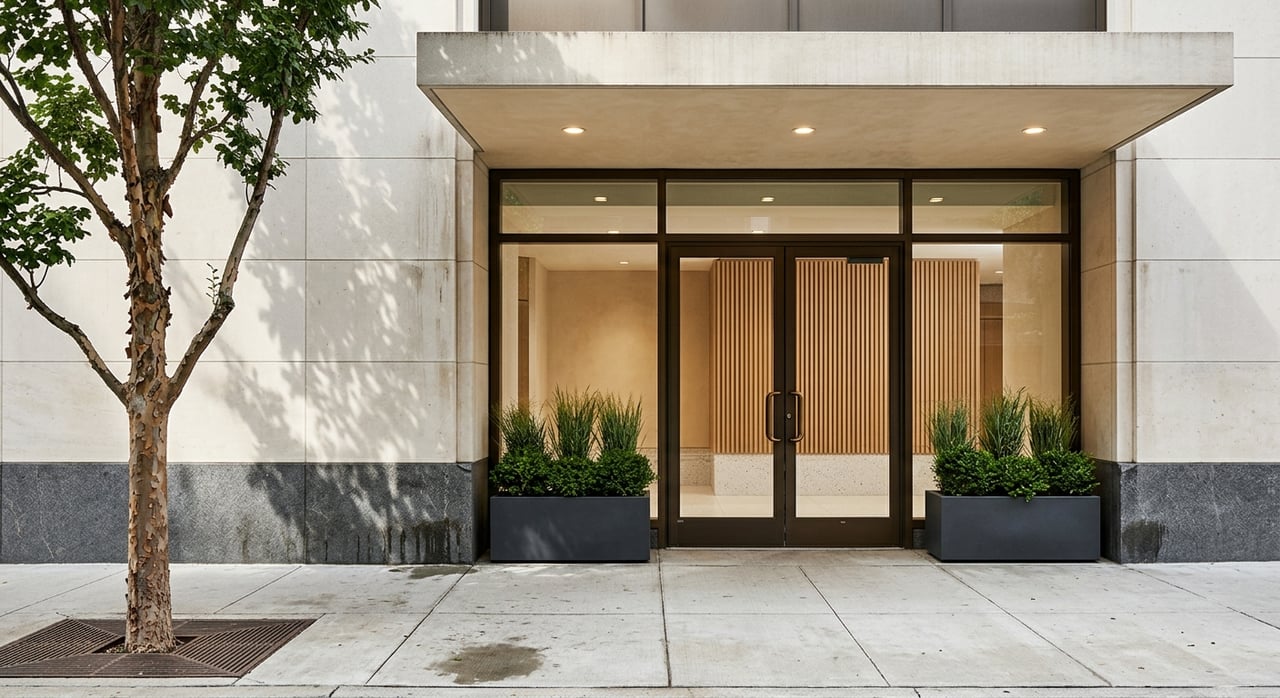
If you are looking at Downtown Brooklyn condos for long-term growth, the biggest question is not whether the neighborhood has momentum. It clearly does. The real question is whether you are choosing the right building in a market with a lot of existing and future supply. That distinction matters if you want a purchase that works as both a home and a long-term asset. Let’s dive in.
Why Downtown Brooklyn Stands Out
Downtown Brooklyn has changed dramatically since the 2004 rezoning. According to Downtown Brooklyn Partnership, the neighborhood has added more than 32 million square feet of new development, with 26,853 completed housing units, 2,829 units under construction, and at least 4,029 more planned by late 2025. Its 2025 year-in-review also notes that more than 3,700 units were built in 2025 alone.
That scale of growth helps explain why Downtown Brooklyn remains so important in the broader Brooklyn market. It is not a small, fixed neighborhood where scarcity does all the work. Instead, it is a dense, fast-evolving district where long-term value is more likely to come from smart building selection than from simply buying any condo and waiting.
Long-Term Growth Is a Building Story
In some neighborhoods, buyers can lean heavily on limited inventory and historic scarcity. Downtown Brooklyn is different. With ongoing development and a meaningful number of active condo listings concentrated in large towers, future performance may vary widely from one building to the next.
That is why a long-term growth strategy here should focus on the details that stay relevant over time. Things like transit access, amenity quality, carrying costs, active resale demand, and how a building competes with newer product all matter. In a supply-rich neighborhood, the strongest assets tend to be the ones that remain attractive even when buyers have options.
Relative Value Within Brooklyn
Current pricing helps support the case for Downtown Brooklyn. StreetEasy’s neighborhood snapshot shows a median sale price of $1.1 million and a median base rent of $4,450. Nearby Brooklyn Heights and DUMBO show higher medians on both sale and rent, which suggests Downtown Brooklyn can offer a lower entry point while still delivering newer condo product and strong location benefits.
For buyers thinking about long-term growth, that relative-value position is worth noticing. You may be able to access a modern full-service building, strong transit connectivity, and dense retail convenience at a lower price than in some adjacent Brooklyn neighborhoods. That does not guarantee appreciation, but it can improve the value equation at the point of purchase.
What the Current Market Is Telling You
Recent market data points to a neighborhood that is active, but not overheated. Redfin reported a median sale price of $1.364 million over the three months ending May 2026, along with 111 days on market and 30 homes sold in May. Realtor.com reported that homes sold 1.48% below asking on average in May 2026, with a 99% sale-to-list ratio and a 44-day median days on market, and described the area as a buyer’s market.
The exact numbers differ because these platforms use different methods and timeframes. Still, the broader message is consistent. Downtown Brooklyn appears negotiable rather than frantic, which can create opportunities for buyers who are disciplined about value, building quality, and long-term hold assumptions.
Inventory Matters More Than You Think
StreetEasy’s building list shows 29 condo or condop buildings in Downtown Brooklyn. Much of the active inventory is concentrated in a handful of major towers, including Brooklyn Tower, Brooklyn Point, The Brooklyn Grove, BellTel Lofts, 388 Bridge Street, and 11 Hoyt.
That concentration matters because large towers can create very different resale dynamics than smaller boutique buildings. If a building has many active listings at once, your future resale may depend not just on neighborhood demand, but on how your unit compares with similar homes in the same tower. In practical terms, that means floor, layout, exposure, condition, monthly costs, and timing can all shape your long-term outcome.
Condo Buildings Worth Watching
Brooklyn Point
Brooklyn Point is a condop at City Point with 458 units, 13 active sales, and 9 active rentals listed on StreetEasy. Sponsor materials highlight 40,000 square feet of indoor and outdoor amenities, including a 65-foot indoor saltwater pool, spa, fitness and studio spaces, a rooftop infinity pool, and 24-hour concierge service.
One of its headline features is a 25-year tax abatement described in sponsor materials as one of the last of its kind in New York City. That can be meaningful for carrying costs, especially over a longer hold period. Because it is a condop rather than a pure condo, buyers should review governance and financing details carefully before making assumptions.
11 Hoyt
11 Hoyt is one of the neighborhood’s best-known luxury towers, with 481 units, 5 active sales, and 4 active rentals on StreetEasy. Tishman Speyer states that the building includes more than 55,000 square feet of amenities, 40,000 square feet of retail, a 30,000 square foot private garden terrace, a 75-foot saltwater lap pool, a 13,000 square foot fitness center, and access to 11 subway lines.
For a long-term buyer, this is the kind of building that combines lifestyle appeal with practical market advantages. Large amenity offerings and deep transit access can support demand across both resale and rental audiences. In a competitive downtown setting, that flexibility can help preserve relevance over time.
The Brooklyn Grove
The Brooklyn Grove offers a somewhat more boutique scale, with 184 units, 10 active sales, and 3 active rentals on StreetEasy. Its factsheet emphasizes a 24-hour concierge, skylit pool, double-height lounge, private dining, fitness center, yoga room, playroom, rooftop lounge, pet spa, bike storage, and in-unit washer and dryers, with optional storage and parking.
For buyers who want design-forward product without the largest tower scale, this building may stand out. A smaller unit count can create a different ownership experience, but it does not automatically make a building stronger as an investment. You still need to weigh inventory, resale competition, and monthly carrying costs against the amenity profile.
Brooklyn Tower
Brooklyn Tower is positioned as the borough’s only supertall condominium. Sponsor materials describe more than 100,000 square feet of amenities centered around a large Life Time wellness club, sky lounges and terraces, and a 75-foot pool. StreetEasy currently shows 22 active sales and 1 active rental in the condo building.
This is a striking example of why building selection matters so much in Downtown Brooklyn. A major amenity package and iconic design can support long-term appeal, but a larger number of active sales can also shape pricing power in the near term. Buyers should look closely at how inventory depth may affect negotiating leverage now and resale competition later.
Livability Still Shapes Value
Long-term growth is not only about the building itself. It is also about whether the surrounding area becomes more functional and enjoyable over time. StreetEasy describes Downtown Brooklyn as busy and relatively light on green space, which is an important quality-of-life consideration for some buyers.
At the same time, Downtown Brooklyn Partnership has opened Abolitionist Place, a 1.15-acre public space, and expanded a Shared Streets network on Pearl, Willoughby, Bridge, Hoyt, and Elm Place. Those changes can improve the day-to-day experience of living in the neighborhood. They do not erase every tradeoff, but they do support the case that Downtown Brooklyn is continuing to mature as an urban residential district.
Underwrite Carrying Costs Carefully
If you are buying for long-term growth, your returns are shaped not just by appreciation but also by what it costs to own the property along the way. In Downtown Brooklyn, that starts with New York City Class 2 property taxes, monthly common charges, mortgage recording tax if you finance, and New York’s mansion tax on residential purchases of $1 million or more.
The New York City Department of Finance lists the FY2026 Class 2 property tax rate at 12.439%. Condos may also qualify for the condo abatement for certain primary residences, but eligibility depends on ownership structure, primary-residence status, and building-level filing compliance. That means two apartments with similar asking prices can carry very different long-term ownership costs.
What Smart Buyers Stress-Test
A strong long-term condo purchase in Downtown Brooklyn should hold up under more than one market scenario. You want to know how the numbers look if resale timing is slower than expected, if common charges rise, or if sponsor-held inventory continues to compete with resales.
It is also wise to evaluate whether a building’s tax benefits could change over time and whether there are any building-specific assessments to watch. In a neighborhood where supply is still expanding, assumptions should be practical rather than optimistic. The goal is not to buy the most exciting story. It is to buy an asset that remains competitive when conditions are less forgiving.
What Makes a Better Long-Term Hold
In today’s Downtown Brooklyn market, the strongest long-term holds are likely to share a few traits:
- Strong transit access
- Amenity packages that remain relevant over time
- Carrying costs that make sense for the price point
- A building identity that stands out in a crowded field
- Real resale and rental utility, not just launch-period hype
- A purchase basis that reflects current negotiating conditions
That mix can matter more than broad neighborhood headlines. In Downtown Brooklyn, buying well often means thinking less about the district in general and more about the specific tower’s future competitive position.
Final Take
Downtown Brooklyn has a credible long-term growth story, but it is not a simple scarcity play. It is a neighborhood shaped by ongoing development, large-scale towers, and evolving public space, where value is often created through careful building selection and disciplined underwriting.
If you are considering a condo here, approach it like both a homeowner and an investor. Focus on the tower, the monthly burn, the inventory picture, and the reasons a future buyer or renter would still choose that building years from now. For strategic guidance on evaluating Downtown Brooklyn condos as long-term assets, connect with The Bracha Group.
FAQs
What makes Downtown Brooklyn condos different from condos in nearby Brooklyn neighborhoods?
- Downtown Brooklyn often offers newer condo inventory and strong transit access at a lower median sale price than nearby neighborhoods like Brooklyn Heights and DUMBO, according to StreetEasy.
Why does building selection matter for long-term condo growth in Downtown Brooklyn?
- Downtown Brooklyn has significant completed, under-construction, and planned housing supply, so long-term performance is more likely to depend on the specific building’s amenities, carrying costs, and resale appeal.
Are Downtown Brooklyn condos in a buyer’s market right now?
- Recent data from Realtor.com describes the area as a buyer’s market, while Redfin and Realtor.com both suggest the market is active but negotiable rather than overheated.
Which Downtown Brooklyn condo buildings have notable amenities?
- Brooklyn Point, 11 Hoyt, The Brooklyn Grove, and Brooklyn Tower all stand out for large amenity packages, though each building has a different scale, inventory profile, and ownership structure.
What carrying costs should you review before buying a Downtown Brooklyn condo?
- You should review Class 2 property taxes, common charges, mortgage recording tax if financing, mansion tax for purchases of $1 million or more, and whether any condo tax abatement applies.
Is Downtown Brooklyn a good place to buy a condo for long-term growth?
- It can be, but the strongest case usually depends on buying the right unit in the right building with realistic assumptions about carrying costs, future inventory, and resale competition.
